Kefalonia in Cinema: From "Captain Corelli's Mandolin" to Today
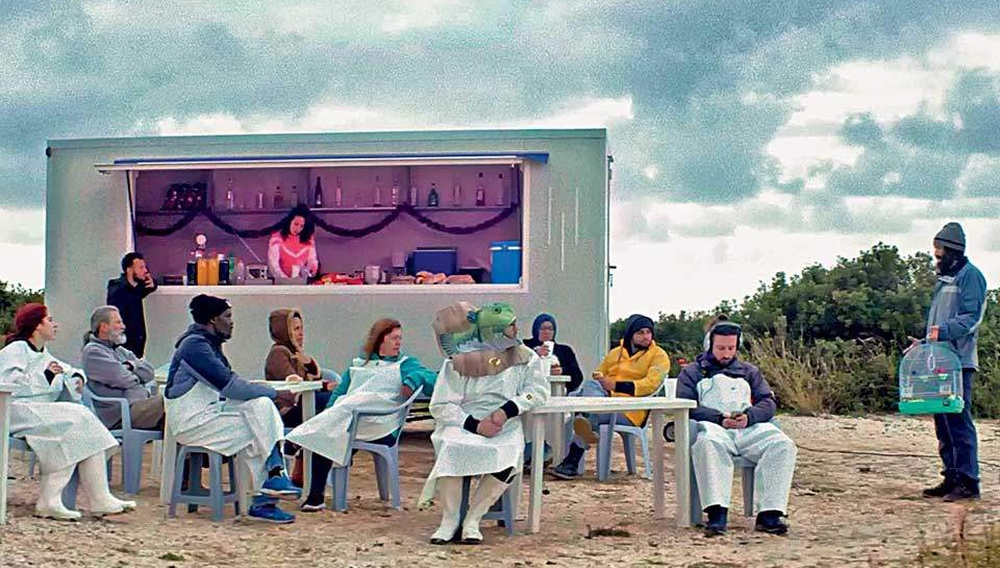
Kefalonia is an island many know for its stunning beaches and natural beauty. What perhaps not everyone knows is that several films – both international and Greek – have chosen Kefalonia as a setting, highlighting its landscapes, villages, and people. The island has hosted famous international productions, as well as films by Kefalonian creators who, through their stories, showcased the island's unique natural beauty and cultural heritage. From "Captain Corelli's Mandolin" to the films of Vassilis Kekatos, Kefalonia continues to captivate the cinematic lens. This article presents the most characteristic films shot on the island, the reasons for its selection as a location, and the contribution of locals to its cultural and cinematic identity.
Films Shot in Kefalonia"Captain Corelli's Mandolin" (2001)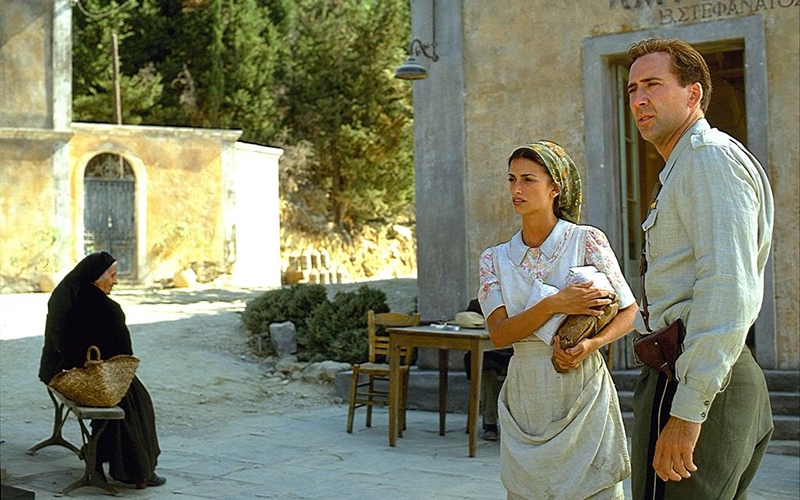
Kefalonia, one of the most beautiful Ionian Islands, gained international recognition in 2001 with the release of the film "Captain Corelli's Mandolin." The cinematic adaptation of Louis de Bernières' novel of the same name, directed by John Madden, was not just a love story set against the backdrop of World War II. It was a work that radically changed Kefalonia's image among the international public, giving it a place on the global cinematic map.
The film's plot
The film tells the story of Italian Captain Antonio Corelli (Nicolas Cage), who arrives in Italian-occupied Kefalonia during World War II. There he meets and falls in love with Pelagia (Penélope Cruz), the daughter of the local doctor (John Hurt), who is engaged to Mandras (Christian Bale), a young fisherman who has joined the resistance. Their love is tested by the conditions of the war and the tragedy that follows the withdrawal of the Italians and the arrival of the Germans.
Why Kefalonia was chosen
The choice of Kefalonia as a filming location was almost inevitable, as the island is the central setting of the story. The authenticity of the landscape, the traditional architecture, and the natural beauty of the island perfectly matched the atmosphere of the novel. At the same time, Kefalonia had the capacity to host such a large production, offering spacious areas for filming and infrastructure for the film crew.
Filming locations
- Horgota Beach: This pebble beach was used for romantic scenes between Corelli and Pelagia.
- Sami: The port of Sami was transformed into a wartime setting, recreating the occupied area of the time.
- Myrtos Beach: Used for dramatic battle scenes, offering a spectacular backdrop.
The film's impact on Kefalonia
The film marked a turning point for Kefalonia's tourism. After its release, visitors to the island increased rapidly, with many seeking out the locations where the most characteristic scenes were filmed. "Captain Corelli's Mandolin" introduced to the wider public Kefalonian beaches, picturesque villages, and landscapes that had not previously received significant international exposure.
At the same time, many businesses began to capitalize on the film's fame, offering organized tours to the filming locations, as well as souvenirs and excursions inspired by the film.
However, the film also drew criticism, particularly from historians and island residents, as the depiction of events was not always considered accurate. The massacre of Italian soldiers by the Germans was presented with cinematic exaggeration, and there were also disagreements about the portrayal of Greek culture in the film.
The true story behind the film
"Captain Corelli's Mandolin" is based on real events that took place in Kefalonia during the Italian occupation. According to Pagenews.gr, a touching love story unfolded between a Greek woman, Elli Foka, and an Italian telegrapher, Walter Gorno. This true love story is believed to have inspired the novel and, by extension, the film.
Kefalonia after the film
More than twenty years after the film's release, Kefalonia continues to benefit from its reputation. The filming locations remain popular tourist attractions, and the film often features in cultural events on the island. Although the cinematic impact did not maintain the same intensity over time, the film left an indelible mark on the local community and the history of Kefalonia.
"The Key to Happiness" (1953)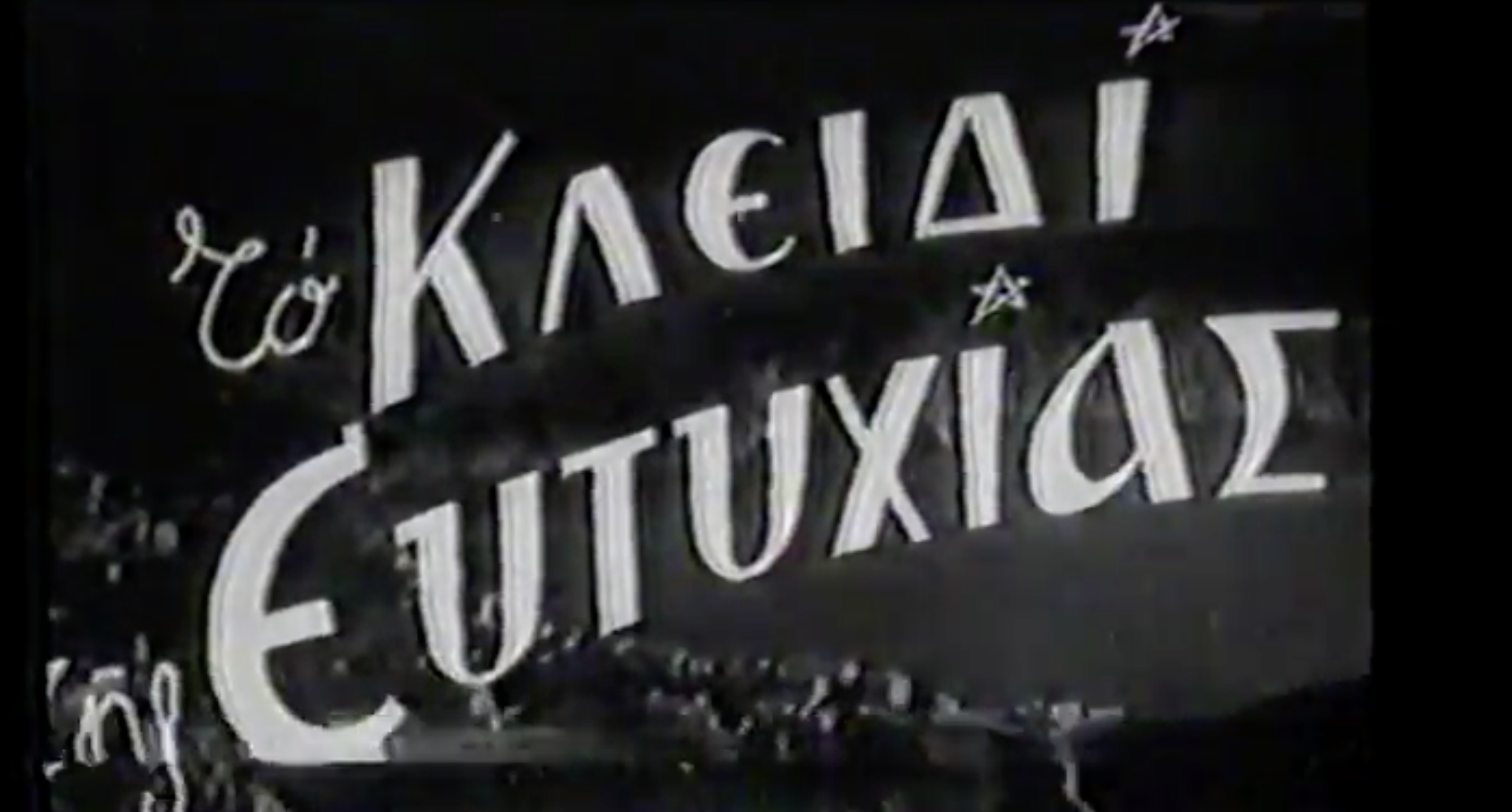
The first Greek film shot in Kefalonia was "The Key to Happiness," directed by Pavlina Petovatou. The film was screened in the 1952-1953 season and constitutes a valuable document of pre-earthquake Kefalonia.
Film Plot
The story revolves around human relationships, social prejudices, and the personal struggles of the characters, in a narrative style that combines realistic and dramatic elements. Kefalonia functions not only as a backdrop but also as a central narrative axis.
Filming Locations
- Argostoli: Presented through scenes of daily life and urban living.
- Poros and Livatho: Rural and coastal landscapes of the island are used to highlight the local life and culture of the era.
Participation of Kefalonians
Many island residents participated in the film as actors and support staff, and characteristics of the Kefalonian dialect and traditions are recorded.
Impact on Kefalonia
The film has significant historical and cultural value, preserving the image of the island before the destructive earthquakes of 1953. It is a living archive of the era and a rare cinematic portrayal of life in Kefalonia in the 1950s.
It captures scenes from Poros, Livatho, Argostoli, and other parts of the island, showcasing the landscapes, customs, and local dialect of the time. Remarkable Greek actors such as Titos Vandis and Notis Peryalis participated, and many Kefalonian residents took part in the production. The film has significant historical and cultural value, as it preserves the image of the island before the destructive earthquakes of 1953.
Kefalonian Creators Who Highlighted the IslandVassilis Kekatos and Kefalonia in his Cinematic Vision
Award-winning director Vassilis Kekatos has placed Kefalonia at the center of his films, transforming the island into a protagonist. His short films have won international awards, while showcasing the island's unique atmosphere through contemporary stories.
His Films in Kefalonia
"Retreat" (2015)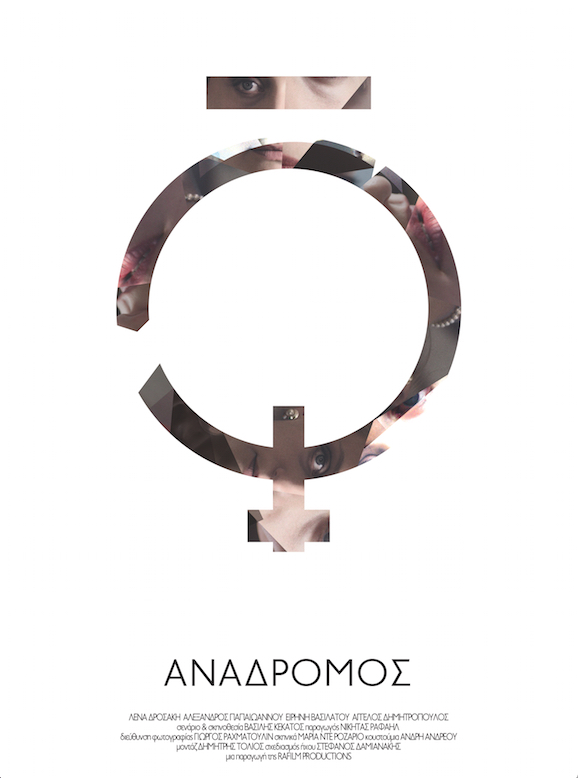
Kekatos' first short film is a deeply personal and emotional story. It follows a young man who returns to Kefalonia for his father's funeral. The island, with its wild and melancholic landscapes, acts as a reflection of his inner turmoil. Kefalonian actors participated in the film, contributing to the authenticity of the story.
Filming Locations
The film was shot in Kefalonia, mainly in the areas around Metaxata and Livatho. The light, the changing sky, and the characteristics of the Kefalonian countryside function as expressive means of the hero's inner world.
Participation of Kefalonians
The roles are played by amateur actors, mostly Kefalonians. This choice lends authenticity to the narrative and strengthens the viewer's connection to the reality of the place.
Impact and Recognition
"Retreat" marked the beginning of Kekatos' career. Although it did not win major awards, it was screened at Greek festivals and made a positive impression for its simple, mature directing and its intense emotional charge. It is considered the first step of a creator who was destined to represent Kefalonia on the international cinematic stage.
"The Silence of the Dying Fish" (2018)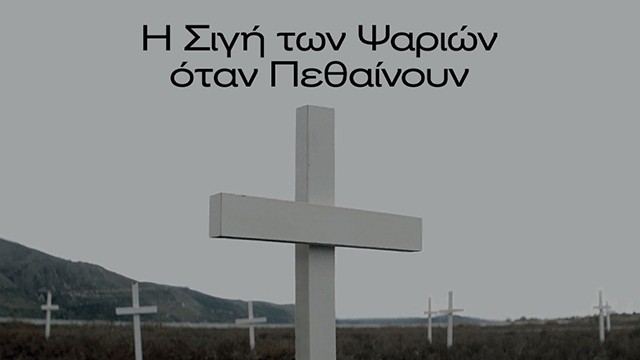
Vassilis Kekatos' second short film is a profoundly allegorical story, with elements of poetic realism. The protagonist, a lonely itinerant fishmonger, tries to sell his fish in a community that seems indifferent. The script deals with themes of loneliness, marginalization, and human communication, through the sense of silence – a social, existential, and almost metaphysical silence.
Filming Locations
The film was shot entirely in Kefalonia, primarily in the Lixouri area. The chosen locations include rocky beaches, deserted rural roads, and villages, enhancing the sense of isolation and silence that pervades the work. The landscape functions almost as a character in itself, reinforcing the emotional and poetic weight of the narrative.
Participation of Kefalonians
Many Kefalonians participated in the production – either as actors or extras. The contribution of the Lixouri Theater Group, whose members actively supported the filming, was particularly significant. The authenticity of the faces and accent enhanced the naturalness of the film.
Impact and Recognition
The film was screened at major festivals, such as the Locarno International Film Festival, and played a crucial role in establishing Vassilis Kekatos abroad. It is a characteristic example of his personal style and is considered one of the most important contemporary short films shot in Kefalonia. Their contribution lends authenticity and local character to the work. "The Silence of the Dying Fish" was screened at the Locarno Festival and contributed to Kekatos' establishment as one of the most promising voices of the new generation of Greek cinema, both in leading roles and as extras, lending local character to the story.
Kefalonia, with its unique natural beauty and special light, has become a setting for great cinematic productions. From Hollywood to contemporary Greek creations, the island continues to inspire artists and attract the interest of the film world. Kefalonian creators, such as Vassilis Kekatos, contribute significantly to the promotion of their homeland, strengthening Kefalonia's connection with the art of cinema. By highlighting local talents and utilizing the island cinematically, Kefalonia can continue to inspire and host new, important productions.
Related Articles
Άσσος: ο οικισμός, το φρούριο και η εικόνα που άντεξε στον χρόνο
Πώς η μικρή Άσσος της βόρειας Κεφαλονιάς συγκεντρώνει σε έναν τόπο γεωγραφία, ενετική στρατηγική, μετασεισμική ανασυγκρότηση και σημερινή τουριστική απήχηση.
Η ναυτική ιστορία του νησιού πέρα από τα λιμάνια
Από το παράκτιο εμπόριο του Ιονίου έως τη Μαύρη Θάλασσα, τον Δούναβη και το Λονδίνο: πλοιοκτήτες, καπετάνιοι, ναυτικοί και οικογένειες που έδωσαν στο νησί διεθνή ναυτική παρουσία.
Κεφαλονιά: Μικρές ιστορίες πίσω από γνωστά σημεία του νησιού
Από τη Γέφυρα Δεβοσέτου και τις Καταβόθρες μέχρι τη Μελισσάνη, την Άσσο και το Φισκάρδο: μικρές ιστορίες που εξηγούν την Κεφαλονιά πίσω από τις γνωστές της εικόνες.