Η Κεφαλονιά λίγο πριν την Ένωση με την Ελλάδα
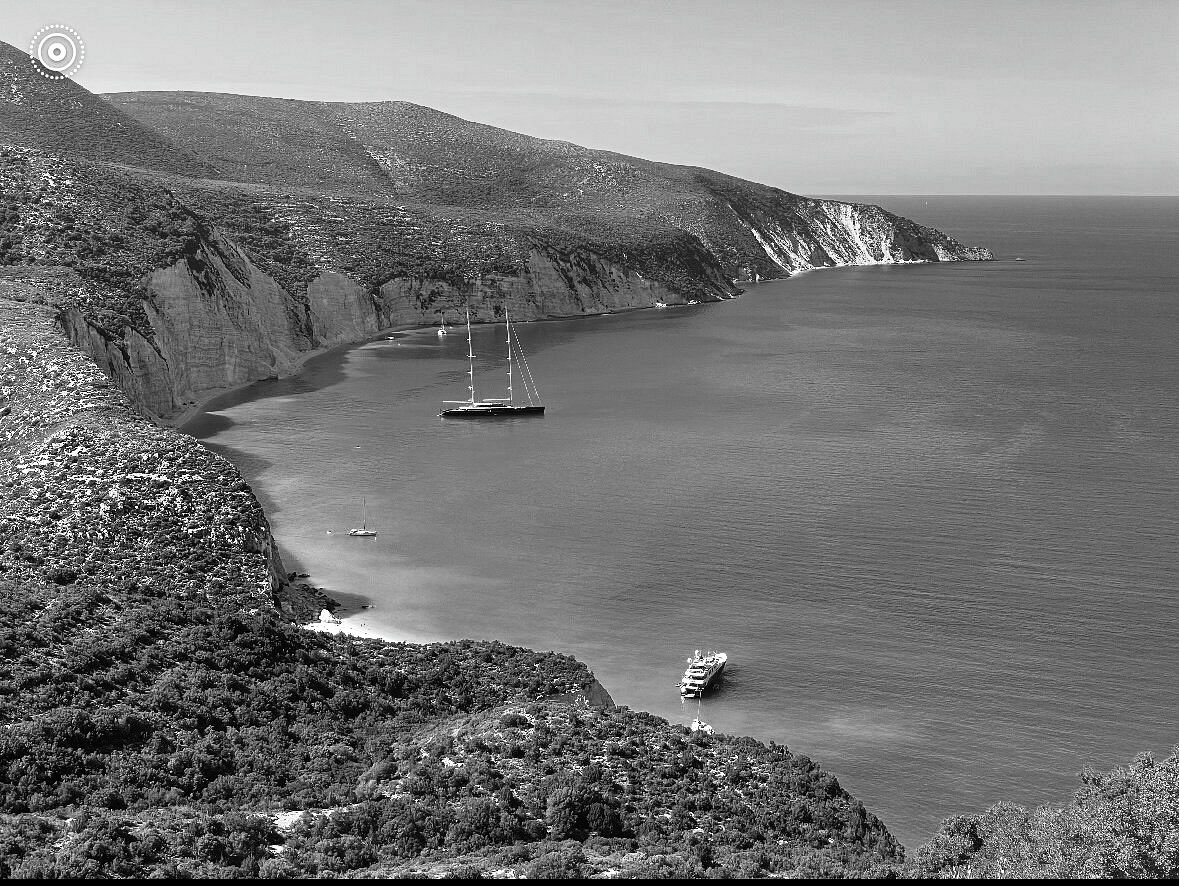
Στα μέσα του 19ου αιώνα η Κεφαλονιά βρισκόταν σε μια ιδιόμορφη ιστορική συνθήκη, η οποία διαμόρφωσε σε μεγάλο βαθμό την πολιτική και κοινωνική της ταυτότητα. Από το 1815 το νησί αποτελούσε μέρος του Ηνωμένου Κράτους των Ιονίων Νήσων, ενός κρατικού σχηματισμού που τελούσε υπό την προστασία της Μεγάλης Βρετανίας. Παρότι το κράτος αυτό διέθετε σύνταγμα, βουλή και θεσμούς που παρέπεμπαν σε ανεξαρτησία, η πραγματική εξουσία ασκούνταν από τον Άγγλο Ύπατο Αρμοστή. Η Κεφαλονιά, όπως και τα υπόλοιπα Ιόνια Νησιά, βρισκόταν σε ένα μεταίχμιο μεταξύ αυτοδιοίκησης και έμμεσης αποικιακής εξάρτησης, γεγονός που δημιούργησε έντονες πολιτικές αντιδράσεις και βαθιά κοινωνική ζύμωση.
Η βρετανική παρουσία στο νησί άφησε έντονα ίχνη στη διοίκηση και στις υποδομές. Οι Άγγλοι προχώρησαν σε έργα οδοποιίας, οργάνωσαν τη δημόσια διοίκηση και επιχείρησαν να επιβάλουν ένα συγκεντρωτικό μοντέλο διακυβέρνησης, το οποίο όμως συχνά ερχόταν σε σύγκρουση με τις τοπικές παραδόσεις και τις προσδοκίες των κατοίκων. Η Κεφαλονιά είχε ήδη πίσω της αιώνες ενετικής κυριαρχίας, κατά τους οποίους είχε αναπτυχθεί μια έντονη αίσθηση τοπικής αυτονομίας και πολιτικής συμμετοχής. Η μετάβαση σε ένα καθεστώς όπου οι κρίσιμες αποφάσεις λαμβάνονταν από έναν ξένο διοικητή ενίσχυσε το αίσθημα πολιτικής ασφυξίας και τροφοδότησε τη δυσαρέσκεια, ιδιαίτερα στα λαϊκά στρώματα.
Η κοινωνική δομή της Κεφαλονιάς πριν την Ένωση ήταν σύνθετη και συχνά αντιφατική. Από τη μία πλευρά υπήρχε μια μορφωμένη αστική τάξη, με πρόσβαση στην παιδεία, στη διοίκηση και στο εμπόριο, η οποία διατηρούσε στενές σχέσεις με τη βρετανική διοίκηση. Από την άλλη πλευρά, η μεγάλη πλειοψηφία του πληθυσμού αποτελούνταν από αγρότες, εργάτες και μικροεπαγγελματίες, οι οποίοι βίωναν καθημερινά τις συνέπειες της βαριάς φορολογίας και της οικονομικής ανασφάλειας. Η αντίθεση αυτή δεν ήταν μόνο οικονομική αλλά και πολιτική, καθώς οι διαφορετικές κοινωνικές ομάδες ανέπτυξαν διαφορετικές στάσεις απέναντι στην αγγλική κυριαρχία και στο αίτημα της Ένωσης με την Ελλάδα.
Ιδιαίτερη σημασία για την ιστορία της Κεφαλονιάς εκείνης της περιόδου είχε η ανάπτυξη του ριζοσπαστικού κινήματος. Οι Ριζοσπάστες, εμπνευσμένοι από τις φιλελεύθερες και εθνικές ιδέες της εποχής, ζητούσαν ανοιχτά την Ένωση των Ιονίων Νήσων με το ελληνικό κράτος. Στην Κεφαλονιά το κίνημα αυτό βρήκε πρόσφορο έδαφος, καθώς το νησί διέθετε μακρά παράδοση πολιτικής σκέψης, έντονη πνευματική ζωή και ισχυρή αίσθηση ελληνικής ταυτότητας. Οι Ριζοσπάστες δεν περιορίστηκαν σε κοινοβουλευτικές παρεμβάσεις, αλλά ανέπτυξαν δράση μέσα από τον Τύπο, τις λαϊκές συγκεντρώσεις και την καθημερινή πολιτική ζύμωση.
Η στάση της αγγλικής διοίκησης απέναντι στο ριζοσπαστικό κίνημα ήταν συχνά κατασταλτική. Οι διαδηλώσεις αντιμετωπίζονταν με στρατιωτική παρουσία, ενώ οι πρωτεργάτες των κινητοποιήσεων συλλαμβάνονταν, εξορίζονταν ή αποκλείονταν από τη δημόσια ζωή. Ιδιαίτερα κατά τις εξεγέρσεις της δεκαετίας του 1840, η Κεφαλονιά γνώρισε στιγμές έντονης βίας και κοινωνικής αναταραχής. Η καταστολή, ωστόσο, δεν κατάφερε να κάμψει το αίτημα της Ένωσης· αντίθετα, ενίσχυσε το αίσθημα αδικίας και συσπείρωσε ακόμη περισσότερους κατοίκους γύρω από την ιδέα της εθνικής ολοκλήρωσης.
Η οικονομική ζωή της Κεφαλονιάς πριν την Ένωση παρουσίαζε σημαντικές αντιφάσεις. Το νησί συμμετείχε ενεργά στο εμπόριο της Ανατολικής Μεσογείου, ενώ η ναυτιλία και η αγροτική παραγωγή αποτελούσαν βασικούς πυλώνες της τοπικής οικονομίας. Παρά ταύτα, τα οφέλη της οικονομικής δραστηριότητας δεν κατανέμονταν ισότιμα. Η βαριά φορολογία που επέβαλλε η αγγλική διοίκηση, σε συνδυασμό με την έλλειψη ουσιαστικής κοινωνικής πρόνοιας, επιβάρυνε ιδιαίτερα τα κατώτερα στρώματα. Η οικονομική πίεση ενίσχυσε τη σύνδεση του κοινωνικού αιτήματος με το εθνικό, καθώς για πολλούς Κεφαλονίτες η Ένωση με την Ελλάδα ταυτιζόταν με την ελπίδα για δικαιότερη διακυβέρνηση.
Σημαντικό ρόλο στη διαμόρφωση της πολιτικής συνείδησης έπαιξε και η παιδεία. Η Κεφαλονιά διέθετε σχολεία, πνευματικά κέντρα και έντονη εκδοτική δραστηριότητα, γεγονός που συνέβαλε στη διάδοση των εθνικών ιδεών. Μέσα από τα βιβλία, τις εφημερίδες και τις δημόσιες συζητήσεις, οι κάτοικοι του νησιού ερχόντουσαν σε επαφή με τις εξελίξεις στον ευρύτερο ελληνικό χώρο και στην Ευρώπη. Η Ελλάδα, παρά τις δυσκολίες του νεοσύστατου κράτους, παρουσιαζόταν συχνά ως φυσική πατρίδα και ιστορική συνέχεια, σε αντίθεση με την ξένη διοίκηση που φάνταζε προσωρινή και επιβεβλημένη.
Καθώς πλησίαζε η δεκαετία του 1860, το διεθνές πολιτικό σκηνικό άρχισε να ευνοεί την Ένωση. Η Μεγάλη Βρετανία, επιδιώκοντας να ενισχύσει τις σχέσεις της με το ελληνικό κράτος, άρχισε να βλέπει θετικά την παραχώρηση των Ιονίων Νήσων. Στην Κεφαλονιά, η προοπτική αυτή δημιούργησε ένα κλίμα προσμονής αλλά και ανησυχίας. Παρότι η πλειοψηφία των κατοίκων υποστήριζε την Ένωση, υπήρχαν και φωνές που φοβούνταν τις οικονομικές και διοικητικές αλλαγές που θα επέφερε η ένταξη στο ελληνικό κράτος. Η μετάβαση δεν ήταν αυτονόητη ούτε απλή.
Λίγο πριν το 1864, η Κεφαλονιά βρισκόταν σε ένα σημείο ιστορικής καμπής. Οι αγώνες δεκαετιών, οι πολιτικές συγκρούσεις και οι κοινωνικές αντιθέσεις είχαν διαμορφώσει μια κοινωνία ώριμη για αλλαγή. Η Ένωση με την Ελλάδα δεν αποτέλεσε απλώς μια διοικητική μεταβολή, αλλά το αποτέλεσμα μιας μακράς πορείας εθνικής και πολιτικής διεκδίκησης. Για τους Κεφαλονίτες της εποχής, η Ένωση συμβόλιζε την αποκατάσταση μιας ιστορικής αδικίας και την ένταξη σε έναν ευρύτερο εθνικό κορμό, στον οποίο ένιωθαν ότι ανήκουν πολιτισμικά και ιστορικά.
Η Κεφαλονιά, λίγο πριν την Ένωση, δεν ήταν ένα νησί παθητικό ή περιθωριακό. Αντίθετα, υπήρξε ένας από τους πιο ζωντανούς και πολιτικοποιημένους χώρους των Ιονίων Νήσων. Οι εξελίξεις εκείνης της περιόδου άφησαν βαθύ αποτύπωμα στη συλλογική μνήμη του νησιού και συνέβαλαν στη διαμόρφωση της σύγχρονης ταυτότητάς του. Η μετάβαση στο ελληνικό κράτος έκλεισε ένα σημαντικό ιστορικό κεφάλαιο, αλλά τα ίχνη της προενωσιακής περιόδου παραμένουν μέχρι σήμερα ορατά στην πολιτική κουλτούρα, στις κοινωνικές αντιλήψεις και στην ιστορική συνείδηση της Κεφαλονιάς.
Σχετικά Άρθρα
Άσσος: ο οικισμός, το φρούριο και η εικόνα που άντεξε στον χρόνο
Πώς η μικρή Άσσος της βόρειας Κεφαλονιάς συγκεντρώνει σε έναν τόπο γεωγραφία, ενετική στρατηγική, μετασεισμική ανασυγκρότηση και σημερινή τουριστική απήχηση.
Η ναυτική ιστορία του νησιού πέρα από τα λιμάνια
Από το παράκτιο εμπόριο του Ιονίου έως τη Μαύρη Θάλασσα, τον Δούναβη και το Λονδίνο: πλοιοκτήτες, καπετάνιοι, ναυτικοί και οικογένειες που έδωσαν στο νησί διεθνή ναυτική παρουσία.
Κεφαλονιά: Μικρές ιστορίες πίσω από γνωστά σημεία του νησιού
Από τη Γέφυρα Δεβοσέτου και τις Καταβόθρες μέχρι τη Μελισσάνη, την Άσσο και το Φισκάρδο: μικρές ιστορίες που εξηγούν την Κεφαλονιά πίσω από τις γνωστές της εικόνες.