The local products of Kefalonia and their modern production: the people, the challenges and the future of a productive island
Robola, olive oil, honey and cheese: a look at the producers keeping Kefalonia's primary sector alive, the challenges they face and the new generation seeking a modern production model.
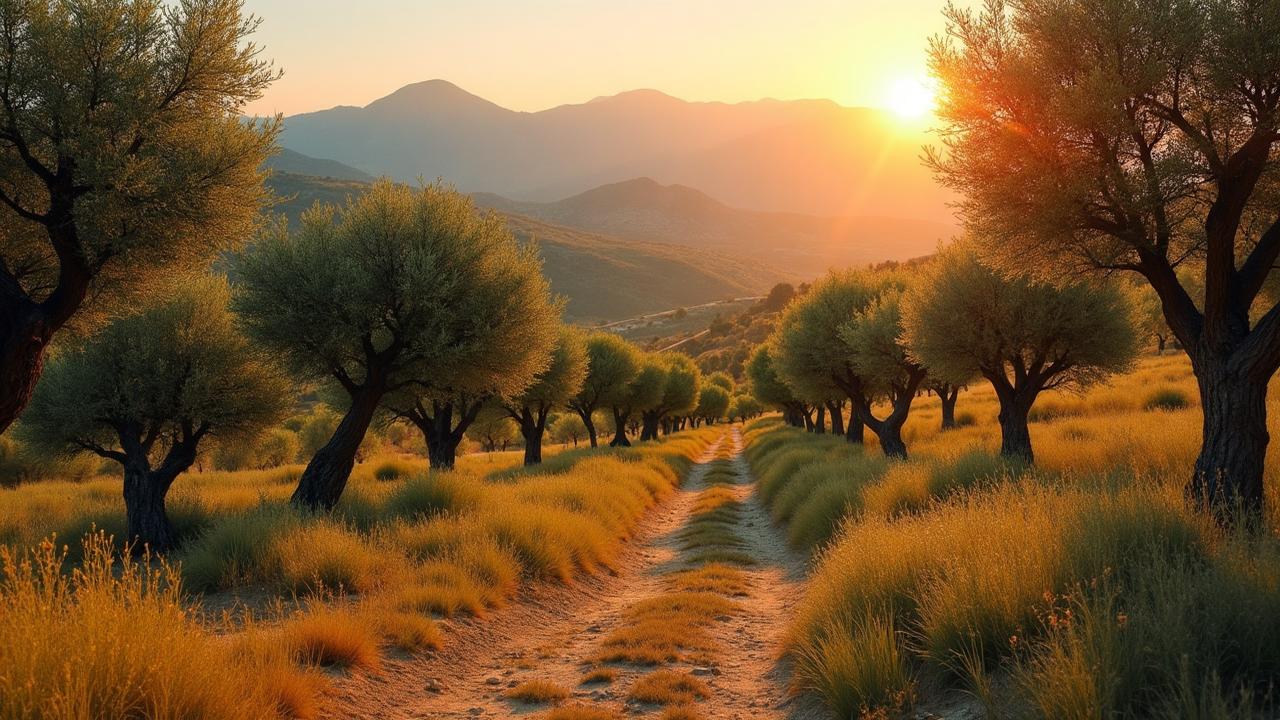
Kefalonia is known in Greece and abroad mainly for its natural environment, its beaches and its place on the Mediterranean tourism map. Yet behind this image there is a productive world that continues to operate every day, often away from the spotlight. Farmers, livestock breeders, beekeepers, winegrowers and small processing enterprises still make up a significant part of the local economy, keeping alive activities directly linked to the island's history and social development. Although the primary sector no longer has the economic weight it had a few decades ago, it remains one of the main pillars of Kefalonia's productive identity. Maintaining cultivations, livestock and local products is not only an economic matter but also a way to keep rural life alive, support local communities and transfer knowledge from one generation to the next.
The road has not been easy. The catastrophic earthquakes of 1953, the mass emigration that followed in subsequent decades, the abandonment of many rural areas and the changes in the country's production model significantly affected the local economy. At the same time, the development of tourism from the 1980s onwards led many residents toward different professional choices. Despite all this, several producers continued to invest in the land and in livestock farming, while in recent years a new generation of professionals has emerged seeking to combine tradition with modern entrepreneurship. Through this process, products such as Robola, olive oil, honey and the cheeses of Kefalonia remain important elements of local production and economic activity.
Robola and the story of a variety that became the island's identity
Among the products most closely associated with Kefalonia, Robola holds a special place. The cultivation of this variety has a history of many centuries on the island, but its modern development is mainly linked to the organisation of production during the post-war decades. The Protected Designation of Origin zone of Robola of Kefalonia, officially recognised by Greek and European legislation, mainly includes areas around Omala and the slopes of Mount Ainos, where the particular microclimate, altitude and limestone soils create conditions suitable for producing grapes of high quality. This recognition has contributed significantly to the variety's profile and to the development of an export activity that extends beyond the Greek market.
The importance of Robola, however, is not limited to the final product. Around viticulture an entire network of economic activities has been built, involving growers, wineries, agronomists, technicians, transport companies and workers across the various stages of production. At the same time, the preservation of vineyards helps maintain agricultural land and prevents the complete abandonment of mountainous and semi-mountainous areas. In recent years producers have faced challenges linked to climate change, shifts in rainfall and rising cultivation costs; nevertheless, Robola remains one of the most recognisable agricultural products of the island and one of the leading ambassadors of Kefalonian production in Greece and abroad.
Olive oil and the persistence of a traditional cultivation
The olive tree has been an inseparable part of the Kefalonian landscape for centuries. In many parts of the island, from Paliki to Erisos and from Livathos to Sami, olive groves remain a key element of agricultural activity. Despite the major changes in the local economy, thousands of families still maintain small or medium olive plots, either as their main professional activity or as supplementary income. Olive oil production in Kefalonia is characterised mainly by small landholdings and family-run operations, which creates specific difficulties but also allows the preservation of traditional practices and greater control over quality.
Modern market conditions, however, are particularly demanding. Harvesting costs have risen significantly in recent years, while the lack of available labour is one of the most serious problems producers report. At the same time, the ageing of the rural population raises questions about who will continue cultivation in the future. Faced with these challenges, several producers are turning to standardisation, quality certifications and the creation of branded products in order to achieve greater added value. This strategy shows that the survival of olive production depends not only on quantity but mainly on producers' ability to position their product in markets that seek quality and certified products.
Beekeeping and the natural wealth of the island
Beekeeping is one of the most interesting yet often less visible productive activities of Kefalonia. The island's distinctive natural environment, rich vegetation, the presence of the Ainos National Park and the wide variety of aromatic plants create favourable conditions for producing honey of high quality. Kefalonian beekeepers make use of different flowerings throughout the year, producing products with distinct characteristics and a particular flavour identity. Although the sector does not have the scale of other productive activities, it has managed to acquire a significant presence in local markets and to develop distribution networks beyond the island.
In recent years, however, beekeeping has been facing serious difficulties. Extreme weather conditions, prolonged periods of drought, changes in flowering cycles and rising production costs directly affect the yield of beehives. At the same time, producers must deal with issues related to diseases and parasites, as well as growing competition from lower-cost imported products. Despite this, beekeeping remains a sector with significant potential, particularly when combined with quality certifications, modern production practices and effective marketing of the product.
Cheesemaking and the importance of livestock farming
Livestock farming was for decades one of the main pillars of economic life in many parts of Kefalonia. Although the sector is smaller today than in the past, it still supports a significant number of families and feeds a local cheesemaking tradition with deep roots. The sheep and goats raised in the mountainous and semi-mountainous areas of the island form the basis for the production of cheeses directly linked to the local identity. Feta, mizithra, prentza and other traditional products are part of a productive activity that continues to evolve and adapt to modern demands.
Livestock breeders today face a complex environment. Rising feed prices, energy costs, health requirements and market changes place significant pressure on operations. At the same time, the lack of young people choosing livestock farming as a profession creates concern for the future of the sector. Even so, several businesses have invested in modern facilities, improved production processes and new ways of distributing their products, proving that cheesemaking can continue to be an important part of the local economy.
The new producers and the shift in the production model
One of the most interesting features of the last decade is the gradual emergence of new people choosing to work in the primary sector. Although the numbers are not large, their presence is a significant development for the local economy. These are often people with university education, technological knowledge and a different understanding of entrepreneurship. Many of them invest in specialised cultivations, organic production, standardisation and the use of digital media to promote their products.
This new generation of producers does not view agriculture and livestock farming as activities disconnected from the modern economy. On the contrary, it seeks to connect local production with new markets and new forms of business development. The use of digital tools, participation in trade fairs, the creation of a strong corporate identity and the use of European programmes are now elements that appear ever more frequently in Kefalonia's primary sector. This shift does not automatically solve the problems, but it does create conditions for greater resilience and competitiveness in the future.
The future of production in Kefalonia
The discussion about the future of Kefalonia's local products cannot be limited to product quality alone. The key question is whether the island will manage to maintain an active and sustainable primary sector over the coming decades. Climate change, the demographic contraction of the countryside, rising production costs and pressures from the international market are challenges that cannot be ignored. At the same time, there are also significant opportunities linked to growing demand for quality products of specific geographic origin, to the development of new technologies and to the potential for creating strong local brands.
Kefalonia has an advantage that cannot easily be copied: the connection of its products to a specific place, a particular geography and a long historical path. Making the most of this advantage requires coordination, investment and long-term planning. It also requires support for the people who continue to work in production every day, often under difficult conditions and far from the public spotlight enjoyed by other sectors of the economy. The story of Robola, olive oil, honey and the cheeses of Kefalonia is not just the story of certain products. It is the story of the people who persist in producing, investing and keeping alive an important part of the island's economic and social identity.
Related Articles
Οι εγκαταλελειμμένοι οικισμοί της Ελλάδας: χωριά που σβήνουν από τον χάρτη και τι αποκαλύπτει αυτό για τη χώρα
Δεκάδες μικροί οικισμοί σε νησιά και ορεινές περιοχές χάνουν πληθυσμό, υπηρεσίες και οικονομική δραστηριότητα — μια αργή γεωγραφική εγκατάλειψη που αλλάζει τον χάρτη της χώρας.
Οι νέοι επαγγελματίες που επιλέγουν να μείνουν στην Κεφαλονιά
Μια θετική αλλά σοβαρή εξέλιξη για την τοπική οικονομία και την κοινωνική συνέχεια του νησιού.
Προβολή Ταινίας «ΤΑΤΑΜΙ» (2023) στον Πολιτιστικό Σύλλογο ΑΝΑΚΑΡΑ
Ο Πολιτιστικός Σύλλογος ΑΝΑΚΑΡΑ παρουσιάζει την πολυβραβευμένη ταινία «ΤΑΤΑΜΙ» (2023) το Σάββατο 25 Απριλίου 2026, στις 9:00 μ.μ., στον Πολυχώρο του Συλλόγου στο Ληξούρι.