The Venetian Rule in Kefalonia and its Imprint
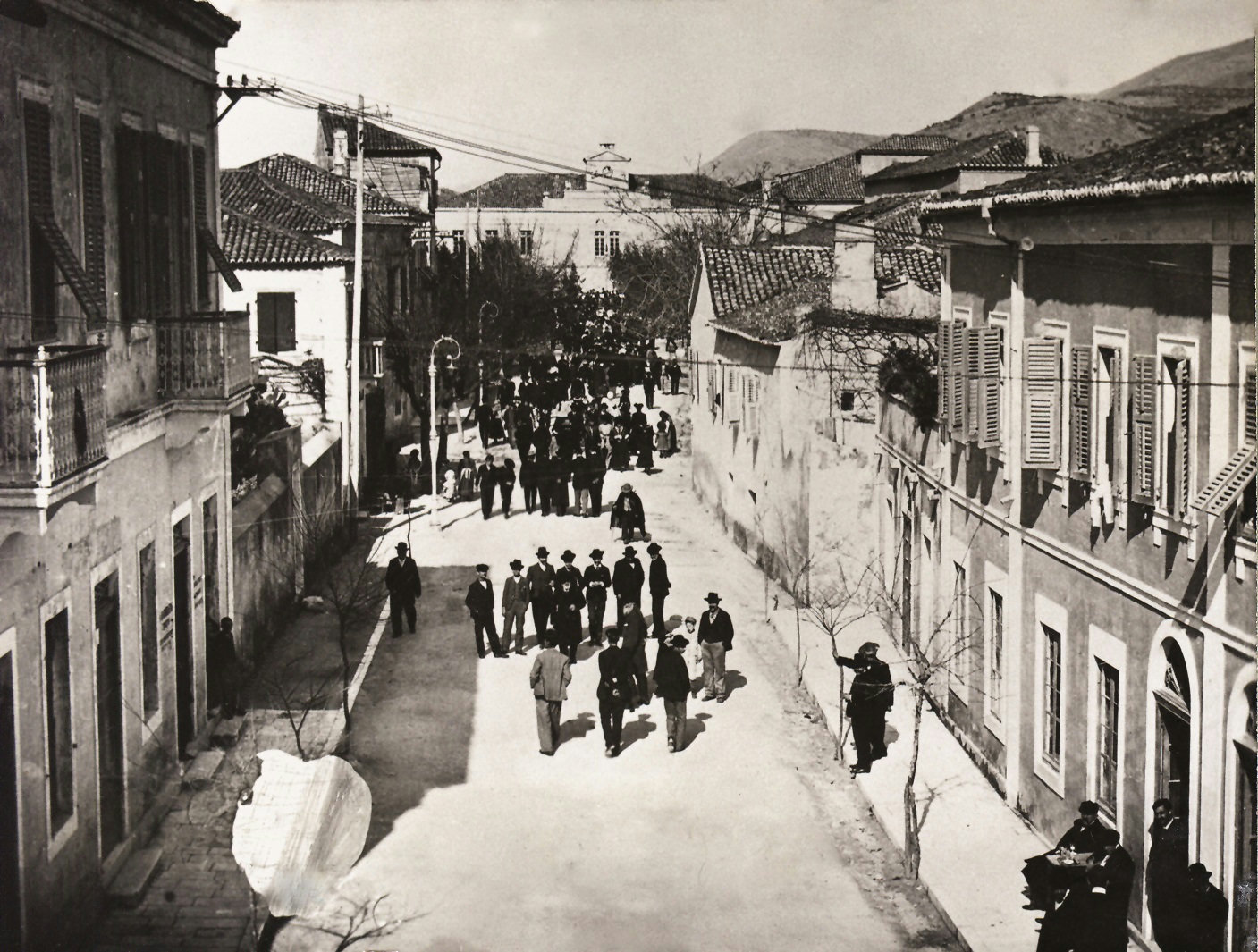
The history of Kefalonia shaped a unique character, where West and East met in a long process of coexistence, conflicts, and cultural osmosis. Among the great periods that left a deep imprint on the island, Venetian rule stands out as an era of transformations: in organization, society, economy, architecture, language, and daily life. It was the period when Kefalonia, from a marginal region of the Greek world, became part of an international maritime network, confronted pirates and empires, and developed an urban culture that even today leaves traces in place names, buildings, and family names.
This article attempts a comprehensive approach to the Venetian period in Kefalonia, examining the evolution of power, social life, defensive structures, the economy, and the remnants that survive to this day. The narrative is based on well-known historical sources and incorporates the island's unique "geography": a crossroads in the center of the Ionian, which never truly remained isolated.
The establishment of the Venetians and the new administrative landscape
The integration of Kefalonia into the Sphere of influence of the Serene Republic of Venice was not the result of an instantaneous conquest, but a slow change in balances in the Eastern Mediterranean. After the dissolution of the Byzantine Empire by the Fourth Crusade, the Ionian Islands found themselves at the center of rivalries between Frankish forces, local hegemonies, and Venice, which sought control of the maritime routes to the East.
When the Venetians finally stabilized their rule on the island, they established an administrative structure based on strong central supervision but with room for self-regulation of local societies. The office of the Provveditore - Venice's representative - became the core of the new order. The Provveditore organized the administration, supervised military readiness, and was responsible for tax collection. At the same time, the local aristocracy was integrated into the Venetian system, acquiring privileges and taking on roles in local government.
The interesting element is that the Venetian administration, although strict in fiscal policy, allowed the preservation of the Orthodox identity of the inhabitants - something that distinguished Kefalonia from other areas where a more intense Latin influence was imposed. At the same time, the introduction of elements of Western law strengthened the development of a more structured bureaucracy that gradually shaped new standards in land management, commercial transactions, and justice.
Fortifications and military organization
From the Castle of Agios Georgios to Argostoli
The defensive organization of Kefalonia under the Venetians constitutes a separate chapter in the island's history. The threat of pirates, the confrontation with the Ottoman Empire, and the strategic position in the Ionian made a constantly reinforced defensive line necessary.
The Castle of Agios Georgios functioned as an administrative center for much of the Venetian rule. The Venetians repaired and strengthened the walls, created warehouses, cisterns, and military installations, while a closed, highly organized city developed around it. Officials, military personnel, and families of the local aristocracy lived there, protected from the insecurity of the era.
The gradual shift of the population towards the coast - mainly towards Argostoli - brought about significant changes. Argostoli, initially controversial due to its vulnerability to raids, developed into an important port, thanks to Venetian investments in infrastructure and maritime organization. In the 17th and 18th centuries, Argostoli Bay became one of the safest natural harbors in the Ionian, allowing the development of trade and shipbuilding activities.
The society of Venetian rule
Aristocrats, notables, and rural populations
The social structure of Kefalonia during Venetian rule was based on a combination of local and imported models. The Venetian aristocracy, which settled on the island, created a new pole of power, but the local Greek Orthodox elite did not disappear; on the contrary, it adapted and connected with the new regime. The great families, whether pre-existing or emerging during the Venetian period, formed the backbone of social function - through local government, economic activity, and cultural influence.
Rural communities continued to constitute the majority of the population. The cultivation of land, olive groves, and vineyards were already developed, but under Venetian administration, agricultural production acquired a new organization. Venice, with its systematic taxation of agricultural products, created a framework that strengthened the concentration of production in the hands of large landowners. Thus, a hierarchical society was formed where farmers were dependent on the notables, but at the same time had more autonomy compared to other areas under Ottoman rule.
Economy and trade
From olive groves to international ports
Kefalonia was actively integrated into Venice's trade network. Olive became the main export product, with the Venetian state encouraging the expansion of olive groves. Oil production gradually increased and became an important economic lever for the island, as trade with Venice and other Western cities showed continuous growth.
Maritime trade, at the same time, led to the creation of small naval communities, which developed know-how and shipbuilding skills that later, in the Ionian years, evolved into prosperous naval families. Kefalonian boats and small merchant ships are recorded in many Venetian sources, proving that the island had a dynamic naval tradition as early as the 17th century.
Venetian architecture and its traces
Stone, arched galleries and the transition from castles to cities
Although the devastating earthquakes of 1953 destroyed much of Kefalonia's historical wealth, the architecture of the Venetians left distinct remnants. The Castle of Agios Georgios remains perhaps the most important monument of the Venetian era: the walls, gates, traces of houses and administrative buildings, even the cornerstones where Venetian symbols survive - all form a whole that reflects the military and political logic of the Venetians.
Beyond the castle, the presence of Venetian architecture can be detected in the villages: in houses with characteristic stone arches, in small oil storage facilities, in stone bridges, and fortified buildings. Venetian influences were not only aesthetic; they introduced new materials, new technical standards, and organization in the development of settlements.
Culture, language, and daily life
The birth of a distinctive Ionian identity
The Venetian period played a decisive role in shaping Ionian culture. Kefalonia evolved into a place where the Greek language coexisted with Venetian words and loans that survive to this day. The Ionian idiom incorporated Italian terms for objects, professions, tools, food - a cultural memory that remains alive in folklore.
Music and arts were also influenced. The choral and kantada traditions that were later established in the Ionian Islands found their roots in contact with Western musical standards. The Venetians did not impose religious change, allowing Orthodox worship to continue normally, but coexistence with the Latins created a more open and multicultural social reality.
The decline of Venice and the transition to British rule
By the late 18th century, Venice faced serious military and economic problems. The pressures of the Ottoman Empire, the upheavals in Europe, and changes in international trade undermined its power. In 1797, with the dissolution of Venice by Napoleon, Kefalonia entered a new era - French, Russo-Turkish, and then British rule.
The period of Venetian rule, however, had already left an indelible mark: on the structure of society, the economy, the cities, and the cultural identity of the island. Without this legacy, the Ionian Islands would not have evolved into the unique world we know today.
The timeless imprint
Today, the Venetian presence in Kefalonia is not only visible in monuments or place names; it is part of the broader collective memory. In an era when the island is redefining its identity through cultural heritage and tourism, understanding the history of Venetian rule is not just a journey into the past; it is a tool for shaping a modern narrative that connects Kefalonia with the Mediterranean, with Europe, and with its very character.
Related Articles
Άσσος: ο οικισμός, το φρούριο και η εικόνα που άντεξε στον χρόνο
Πώς η μικρή Άσσος της βόρειας Κεφαλονιάς συγκεντρώνει σε έναν τόπο γεωγραφία, ενετική στρατηγική, μετασεισμική ανασυγκρότηση και σημερινή τουριστική απήχηση.
Η ναυτική ιστορία του νησιού πέρα από τα λιμάνια
Από το παράκτιο εμπόριο του Ιονίου έως τη Μαύρη Θάλασσα, τον Δούναβη και το Λονδίνο: πλοιοκτήτες, καπετάνιοι, ναυτικοί και οικογένειες που έδωσαν στο νησί διεθνή ναυτική παρουσία.
Κεφαλονιά: Μικρές ιστορίες πίσω από γνωστά σημεία του νησιού
Από τη Γέφυρα Δεβοσέτου και τις Καταβόθρες μέχρι τη Μελισσάνη, την Άσσο και το Φισκάρδο: μικρές ιστορίες που εξηγούν την Κεφαλονιά πίσω από τις γνωστές της εικόνες.