Water Supply: The Good That Is Not Self-Evident in Kefalonia
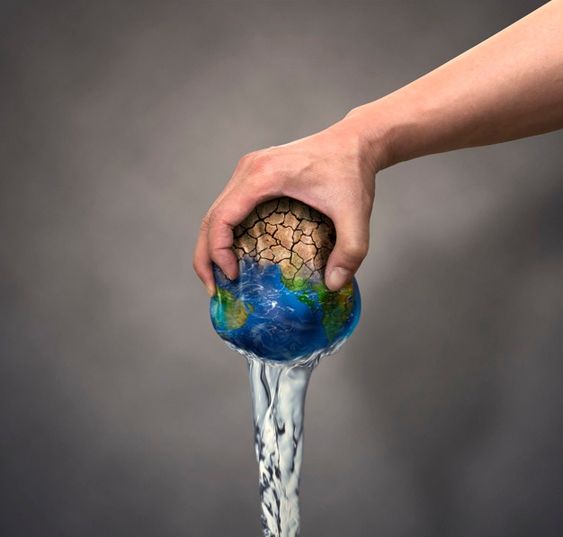
Kefalonia is one of the most popular destinations in Greece. During the summer months, the island hosts thousands of visitors seeking the endless beaches and the blue of the Ionian Sea, while over 30,000 permanent residents live on the island. However, despite its beauty, Kefalonia faces a serious problem that affects the daily lives of its permanent residents and visitors: the lack of water, especially during the hot and dry summer months, like many other islands in our country.
Although Kefalonia has rich water resources, ensuring sufficient and good quality water is a challenge that concerns the local community. From frequent water supply interruptions to the lack of drinking water in some areas, the problem of water supply is a priority for residents and decision-makers. Residents often face problems as water does not arrive with the desired stability and they often have to seek alternative solutions for their needs. Furthermore, some areas of the island face a lack of drinking water, causing direct hygiene and comfort problems for their residents. This problem is particularly evident during the summer months, when the demand for water increases due to tourism, leaving areas unprotected from addressing the problem.
Meanwhile, the announcement of a water price increase in the Lixouri area caused serious concern. This decision, announced in the municipal council, means that residents will have to face even greater financial burdens. Furthermore, in Sami, one of the most popular areas of Kefalonia, the problem of water scarcity is particularly noticeable. Residents and visitors often face difficulties in accessing clean water, making this a crucial issue for the health and well-being of the area. Overall, Kefalonia faces a significant water crisis, which requires immediate action and strategically planned for the future to ensure the sustainability and well-being of the island.
The problem of Sami
The problem of water supply in the Municipality of Sami of the Regional Unit of Kefalonia is a serious challenge that affects many areas. From remote Municipal Communities such as Karya and Vary, which have no access to water from a network at all, as a new water supply network is now being constructed, to other areas where the existing network is insecure and faces problems, the situation is worrying.
Specifically, in some areas the water supply network is old and problematic, resulting in constrictions due to the presence of salts and a drop in water pressure. In other areas, the water supply to households is minimal, which leads to a lack of water for several days, while residents are forced to procure water from private individuals with tankers, at significant cost. In addition to these, the tanks that supply water from Lake Avythos are not subject to any control or cleaning, and many of them do not have the necessary permits for water transfer. Consequently, the quality of the water supplied to residents is questionable and worrying.
Especially during the summer, with the increase in consumption due to tourist facilities and the need for water in households, the situation becomes even more urgent. Despite the permits issued for tourist facilities and swimming pools, few measures are taken to serve the daily needs of residents. Thus, during the summer months, priority is given to tourist accommodations instead of the needs of permanent residents. The main obstacle is the high cost of water supply projects, which are often indelible for citizens and local authorities. At the same time, requests for the construction of protective dams and the utilization of traditional water supply methods have not received the response they deserve, neither from local authorities nor from the central government. Despite existing research and studies for the construction of dams, the execution of the projects is not carried out, despite their ability to provide water to the entire area of the Municipality of Sami and even to Ithaca.
The problem of Paliki
Water supply is one of the most critical issues faced by the residents of the Municipality of Lixouri in Kefalonia. The town of Lixouri and many Municipal Communities face serious water supply problems, as the available water is not potable and its quality is significantly degraded due to salinization of the groundwater. As a result, the lack of drinking water is a constant reality, while interruptions in the water supply network are frequent, especially during the summer.
Increased water consumption due to tourism constitutes an additional problem, as excessive demand further reduces pressure in the water supply network and causes interruptions in water supply to entire areas. Residents and livestock breeders are served by tankers, with water supply becoming increasingly expensive and hard to find.
In the midst of this crisis, efforts to solve the problem face obstacles and contradictions. Priority is often given to unhealthy solutions, such as desalination plants, which may have long-term effects on the environment and the quality of life of residents. At the same time, the inability to solve the problem creates feelings of insecurity among citizens, as the situation does not seem to change despite successive government efforts. However, the solution seems to lie in the construction of three dams in the Palliki area. The dams in the areas of Katogi, Lychnia and Dellaportata are expected to provide a sustainable solution to the water supply problem, collecting and utilizing the rich sources of surface water that exist in the area in winter.
Studies for the construction of these dams have already been completed or are at an advanced stage, constituting a substantial initiative for solving the water supply problem in the Municipality of Lixouri. The completion and exploitation of these projects would bring about substantial improvements in the quality of life of residents and would be an important step towards the sustainable management of water resources in the area, but the project has not progressed for years.
And while all this is not enough, major increases in water tariffs in the Municipality of Lixouri were recently announced in the municipal council. Thus, within the framework of the recent Municipal Council, Deputy Mayor Mr. A. Galatis specifically mentioned the need for increases in water charges, in order to cover the debts of DEYAK and ensure its financial viability. These changes seem to be based on a decision by DEYAK, which is coordinated with the Municipal Authority, and aims to curb its financial problems by collecting money from residents' water bills. This option, however, brings with it a series of problems that threaten the financial well-being of households in Lixouri.
Increases in water bills arise at a time when the water is not even potable. The water supply itself faces serious quality issues, and solving these issues is more critical than ever. While authorities are resolute in imposing new charges on residents, they themselves do nothing to ensure the quality of the water supplied. Areas without drinking water often face problems of adequate water supply, while plans to improve water supply usually remain unfulfilled.
The impending increase in water prices is expected to hit families and small businesses in Lixouri hard. While bills are growing, the quality of water remains questionable, creating a climate of concern and distrust in the community. While residents are confronted with this reality, the political class shows no interest or determination to intervene. Instead of protecting the interests of citizens, they seem to focus on other priorities, leaving households to deal with financial pressure on their own.
It is now time for the competent authorities to take action to address this immediate and serious problem. The community of Lixouri deserves to have access to quality and affordable water, without suffering unjustified increases in its bills. It is time for resources and efforts to be focused on finding solutions that will serve the common good and protect the interests of citizens.
Water supply in Argostoli
Water supply in Argostoli may be in a better situation than in other areas of Kefalonia, but problems are also evident there. Despite the fact that the water is potable, water supply interruptions are very frequent, especially during the summer. Residents and businesses often face a lack of water for long periods, causing disruption and insecurity in their daily lives. Especially during the summer period, when demand for water is significantly higher due to tourism and daily needs, water supply interruptions intensify further, creating operational problems for both households and businesses. This situation highlights the need to improve and strengthen the area's aqueduct, in order to ensure a stable supply of high quality water to all residents and visitors to the city.
Overall, the major problem of water supply in many areas of Kefalonia is evident, causing dissatisfaction among its residents. It is imperative to address these problems. In 2024, when water is the most important commodity, access to drinking water should be taken for granted for all people. The development of a reliable and sustainable water supply system must be a primary goal for Kefalonia. Only through the cooperation of municipal authorities, local bodies and the community can this goal be achieved and a sustainable future for the island's water supply be ensured.
Related Articles
Προβολή της πολυβραβευμένης ταινίας «Ocean with David Attenborough» στην Κεφαλονιά
Η πολυβραβευμένη ταινία «Ocean with David Attenborough» προβάλλεται στον Θαλασσόμυλο Αργοστολίου στις 25 Σεπτεμβρίου, με ελεύθερη είσοδο.
Η δημογραφική συρρίκνωση της Κεφαλονιάς: πού χάνεται ο πληθυσμός και γιατί
Η απογραφή του 2021 δείχνει ότι η Κεφαλονιά δεν αδειάζει ομοιόμορφα. Το Αργοστόλι χάνει πληθυσμό, η Σάμη κερδίζει, και το ερώτημα είναι τι σημαίνει αυτό για το μέλλον του νησιού.
Ιθάκη: Δράσεις για τη θάλασσα και ειδική προβολή του ντοκιμαντέρ «Ocean with David Attenborough»
Διήμερο δράσεων για τη θαλάσσια προστασία στην Ιθάκη, 27–28 Αυγούστου 2026, με ειδική προβολή του ντοκιμαντέρ «Ocean with David Attenborough» και εκπαιδευτική δράση snorkeling για παιδιά.